From Bottle to Soil: Our Sustainability Promise
Recyclable glass, ginger pulp that becomes compost, and the climate cost we are still working on.
Making a living drink that is also kind to the planet is a moving target, and we want to be honest about where we actually stand. We are a small brewery, not a climate authority, so treat this as a candid progress report rather than a glossy sustainability brochure, including, especially, the parts we have not solved yet. Greenwashing is easy; real accounting is harder, and far more useful to you.
What we are genuinely proud of
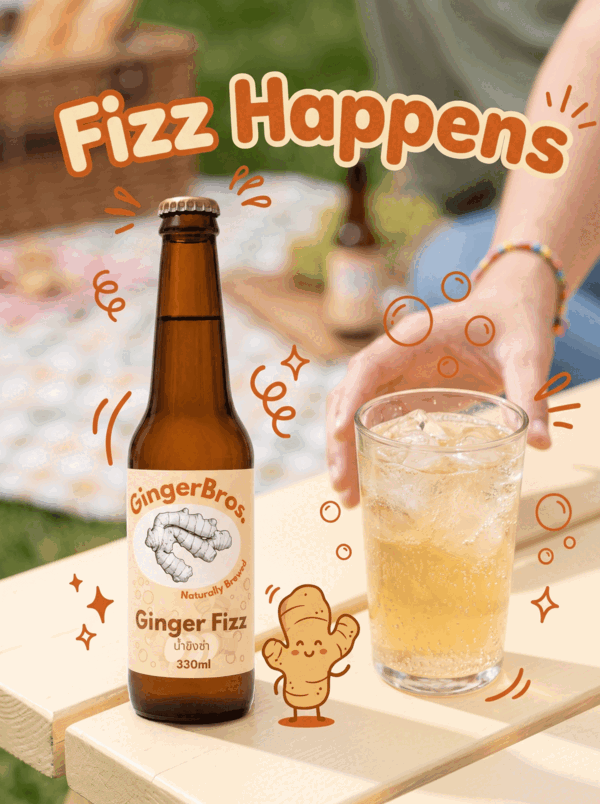
- Recyclable glass instead of single-use plastic. Glass is endlessly recyclable without any loss of quality, and unlike plastic it does not shed microplastics into a drink. We encourage refilling and returns wherever we can.
- Ginger pulp becomes compost, not landfill. Brewing produces a large volume of fibrous ginger waste; rather than bin it, we send it to local farms as compost and animal feed, closing a small loop.
- Short supply chains. We source ginger from growers close to the brewhouse, which cuts the considerable emissions of long-haul ingredient transport and keeps the ginger fresher.
- Small batches, little waste. Brewing to demand means very little overproduction, spoilage or dumped stock.
What is genuinely hard
Here is the part most brands leave out. We will not pretend it is all solved:
- Delivery. Shipping orders nationwide uses real energy, and it is honestly the single biggest part of our footprint. We keep standard delivery as the default and offer cold-chain upgrades only when customers want them, so we are not adding unnecessary insulation and ice packs to every box.
- The weight of glass. Glass is heavier than plastic, so it takes more energy to transport. Lifecycle studies, including a widely reported University of Southampton analysis, actually found glass bottles can carry a larger overall environmental impact than plastic when they are shipped long distances and used only once. The honest takeaway is that the "best" packaging genuinely depends on how far it travels and, above all, whether it is reused.
We sit with that tension rather than hiding it: glass is better for your drink and endlessly recyclable, but only truly wins environmentally if it stays in circulation.
Where we are heading
We are actively working on a few concrete things: lighter-weight bottles to cut transport emissions, denser regional shipping routes to reduce delivery mileage, and easier ways for customers to return and reuse packaging so glass does its best job.
We would rather make slow, real progress than greenwash. Every quarter we pick one concrete improvement and actually ship it, not a slogan, a change.
Sustainability is not a finish line we will one day cross and celebrate. It is a brewing decision we make again, imperfectly and honestly, with every single batch.
References & further reading
- 1.Glass bottles among the most environmentally impactful drink packaging (lifecycle study)University of Southampton, Brock & Williams, Detritus (2020)
- 2.Glass vs plastic bottles: the environmental trade-offs explainedEarth.org (2020)
Sources are provided for general education. This article is not medical advice; consult a healthcare professional for personal guidance.
Taste the difference
Real ginger, natural fermentation, live cultures. Get a bottle of GingerBros and try it for yourself.
More from Brewing
 Brewing
The Art of the Ginger Bug: How We Brew Living Fizz
Step inside our Bangkok brewhouse for a look at the wild ferment that powers every bottle, from raw rhizome to bubbling, living soda.
Read article Brewing
Start Your Own Ginger Bug at Home
A beginner-friendly walkthrough to culture your own wild ginger starter, the same idea behind our brew.
Read article